Windows are more than just openings to the outside world; they play a critical role in the aesthetics, energy efficiency, safety, and overall comfort of a home. Over time, windows can deteriorate due to weather exposure, wear and tear, or improper installation, resulting in drafts, leaks, and reduced energy efficiency. Residential window replacement is an effective solution for homeowners who want to improve the functionality, appearance, and value of their property. Understanding the signs that indicate a window needs replacement, the types of windows available, the benefits of modern materials, and the installation process is essential to making informed decisions that enhance both short-term comfort and long-term investment.
Replacing windows is not merely a cosmetic upgrade; it is an investment in the structural integrity, energy efficiency, and security of a home. Older windows, especially those made of single-pane glass or outdated materials, often fail to provide adequate insulation, allowing heat to escape in the winter and enter during the summer. Drafts, condensation, and difficulty opening or closing windows are common signs that replacement is necessary. By opting for professional residential window replacement, homeowners can improve energy efficiency, reduce utility costs, prevent water infiltration, enhance curb appeal, and increase the overall value of their home. Modern windows combine aesthetic appeal with functionality, offering advanced glazing, durable frames, and superior insulation properties that contribute to comfort and sustainability.
Signs That Indicate Residential Window Replacement Is Needed
Recognizing the early signs that windows require replacement is critical to preventing further damage and improving home efficiency. One of the most apparent indicators is the presence of drafts or cold spots near windows, which can significantly increase heating and cooling costs. Windows that are difficult to open or close, or whose locking mechanisms have failed, compromise both functionality and security. Condensation between double-pane glass or visible cracks and warping in the frames suggest that the seals have failed, reducing insulation and potentially allowing water infiltration. Peeling paint, rotting wood, or signs of mold around window frames indicate moisture damage that cannot always be remedied with simple repairs. Additionally, outdated windows may lack modern energy-efficient technology, and replacing them with contemporary options can improve comfort, reduce energy costs, and enhance property value. These signs collectively point to the need for timely residential window replacement to restore performance, aesthetics, and efficiency.
Benefits of Residential Window Replacement
Residential window replacement offers multiple benefits that improve comfort, efficiency, and the long-term value of a home. Energy efficiency is one of the most significant advantages, as modern windows are designed with double or triple glazing, low-emissivity coatings, and insulated frames that reduce heat transfer and minimize drafts. Enhanced insulation not only lowers heating and cooling bills but also helps maintain consistent indoor temperatures, improving comfort throughout the year. Security is another important factor; newer windows feature improved locking mechanisms and stronger frames that make forced entry more difficult, providing peace of mind for homeowners. Aesthetic appeal and curb appeal are further benefits, as updated windows can dramatically enhance the exterior appearance of a home, complement architectural styles, and increase resale value. Noise reduction is an additional consideration, particularly in urban or high-traffic areas, as modern window designs offer superior soundproofing compared to older, single-pane options. Finally, residential window replacement helps prevent water infiltration and structural damage by replacing deteriorated frames, improving sealing, and maintaining the integrity of walls and window sills.
Types of Windows for Residential Replacement
Homeowners have a wide array of window options when considering residential window replacement, each offering unique benefits suited to different needs and architectural styles. Double-hung windows, which allow both the top and bottom sashes to move, are popular for their versatility and ease of cleaning. Casement windows, which open outward with a crank mechanism, provide excellent ventilation and tight sealing, improving energy efficiency. Sliding windows, often used for wide openings, combine practicality with a modern look. Awning windows, hinged at the top, are ideal for areas requiring airflow while protecting against rain. Bay and bow windows enhance interior space and natural light, creating a visually striking feature. Picture windows, which are fixed and non-operable, maximize views and light while minimizing maintenance. Selecting the appropriate window type depends on functionality, style preference, energy efficiency goals, and budget, all of which contribute to the overall effectiveness of residential window replacement.
Materials Used in Residential Window Replacement
The choice of window frame material significantly impacts durability, maintenance, insulation, and overall performance. Vinyl windows are popular for their affordability, low maintenance, and resistance to warping, rot, and corrosion. Wood frames offer a classic, natural aesthetic and can be painted or stained, but they require regular maintenance to prevent deterioration. Aluminum windows are strong, lightweight, and modern in appearance, though they conduct heat and cold more readily than other materials, which may reduce energy efficiency. Fiberglass windows provide superior durability, stability, and energy efficiency, with minimal maintenance over their lifespan. Composite windows, which combine materials such as wood and vinyl or fiberglass, offer a balance of aesthetic appeal, durability, and insulation. Choosing the right material is essential to maximizing the benefits of residential window replacement and ensuring a long-lasting, functional, and attractive solution.
The Residential Window Replacement Process
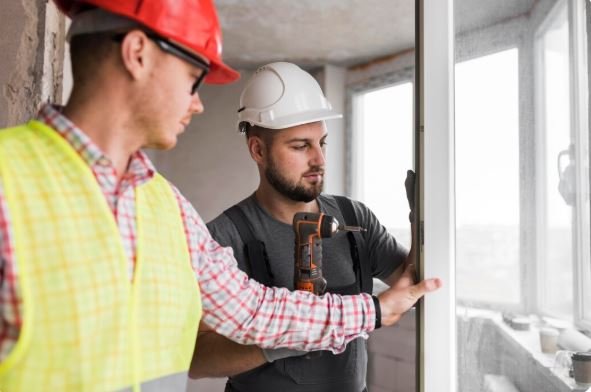
Residential window replacement is a detailed process that requires professional expertise to ensure accurate measurements, proper installation, and optimal performance. The process typically begins with a thorough assessment of existing windows, noting structural integrity, frame condition, and insulation performance. Old windows are carefully removed, taking care to prevent damage to surrounding walls, trim, and siding. The new windows are then measured, positioned, and secured in place using appropriate shims, anchors, and sealants to ensure a precise fit and airtight seal. Insulation is applied around the frames, and flashing or caulking is installed to prevent water infiltration. Finally, finishing touches such as trim, paint, and hardware adjustments are completed to ensure both functionality and aesthetic appeal. Professional installation guarantees that the windows perform as intended, providing long-term energy efficiency, comfort, and reliability while minimizing the risk of leaks or operational issues.
Factors Affecting the Cost of Residential Window Replacement
The cost of residential window replacement varies based on several factors, including the type and size of windows, frame material, glazing options, installation complexity, and labor rates. Custom-sized windows, specialty designs such as bay or bow windows, and premium materials such as fiberglass or composite frames generally increase costs. Energy-efficient features like double or triple glazing, low-emissivity coatings, and argon or krypton gas fills may also add to the initial investment but provide long-term savings in energy bills. Labor costs are influenced by accessibility, the condition of the existing frames, and any additional structural work required. Understanding these factors allows homeowners to budget effectively, choose the right combination of materials and features, and make informed decisions about their residential window replacement project.
Long-Term Benefits and Value of Window Replacement
Investing in residential window replacement provides both immediate and long-term advantages. Modern windows improve energy efficiency, which reduces utility bills while maintaining consistent indoor temperatures. Enhanced security features protect occupants and property, while improved aesthetics and curb appeal contribute to increased resale value. Properly installed windows prevent water infiltration and associated structural damage, safeguarding walls, sills, and insulation. Noise reduction from updated glazing improves comfort, especially in noisy environments. Additionally, long-lasting materials and professional installation minimize ongoing maintenance requirements, allowing homeowners to enjoy improved comfort, functionality, and energy efficiency for many years. Overall, residential window replacement is a practical investment that enhances lifestyle, reduces expenses, and increases property value.
While minor issues such as cracked panes, failing seals, or hardware malfunctions can sometimes be repaired, full residential window replacement is often the most effective long-term solution for older or heavily damaged windows. Windows that are warped, rotting, inefficient, or beyond repair will benefit more from replacement than from repeated repairs. Investing in replacement rather than ongoing repairs ensures durability, energy efficiency, and aesthetic appeal, while eliminating frequent maintenance concerns. Homeowners should consider replacement when windows compromise comfort, efficiency, security, or appearance, as modern materials and designs offer superior performance compared to older, outdated options.
Conclusion
Residential window replacement is a vital step in maintaining a home’s comfort, efficiency, and long-term value. By recognizing early signs of deterioration, selecting appropriate window types and materials, and opting for professional installation, homeowners can improve energy efficiency, enhance aesthetics, increase security, and protect their property from water damage and structural issues. Whether upgrading to modern double-hung windows, energy-efficient casement windows, or elegant bay windows, a thoughtful residential window replacement project delivers long-term benefits that extend beyond immediate visual appeal. Homeowners who prioritize window replacement invest not only in the functionality and beauty of their home but also in the long-term comfort, efficiency, and value of their property, ensuring that their living space remains safe, attractive, and sustainable for years to come.