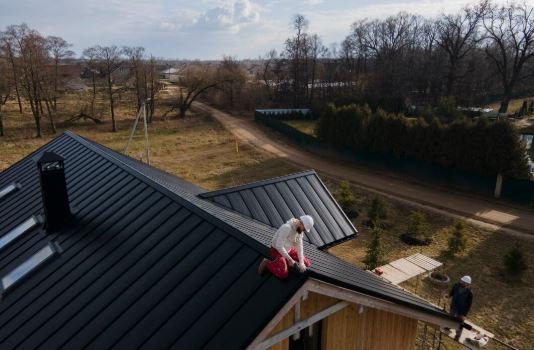
Understanding the Importance of Long-Term Roof Maintenance
A roof is one of the most important structural components of any building, providing essential protection against environmental elements such as rain, wind, sunlight, and temperature fluctuations. Among the various roofing systems available, asphalt-based designs are widely used due to their affordability, durability, and versatility. However, like all building materials, they require consistent maintenance and timely intervention to ensure long-term performance.
Over time, exposure to harsh weather conditions can cause gradual wear and tear. Small cracks, loose materials, and moisture infiltration may seem minor at first but can quickly develop into significant structural problems if not addressed. Regular maintenance and early detection of issues are essential to extending the lifespan of any roofing system.
One of the most important aspects of maintaining asphalt-based roofs is timely repair and restoration. Proper care not only prevents costly damage but also improves energy efficiency and overall structural integrity. In this context, shingle roof repair plays a critical role in maintaining the durability and functionality of roofing systems over time.
How Roofing Materials Deteriorate Over Time
Roofing materials are constantly exposed to environmental stress, which gradually affects their performance and condition. Sunlight is one of the most damaging factors, as ultraviolet radiation breaks down materials and causes them to become brittle over time. This leads to cracking, curling, and surface deterioration.
Rain and moisture are equally damaging. When water penetrates small openings or damaged areas, it can seep into the underlying structure, causing leaks, mold growth, and insulation damage. Over time, repeated exposure to moisture weakens the roof’s overall integrity.
Wind also plays a significant role in roof deterioration. Strong winds can lift, loosen, or completely displace roofing materials, leaving the structure vulnerable to further damage. Even minor displacement can create entry points for water and debris.
Temperature fluctuations contribute to expansion and contraction of materials, which can lead to long-term structural stress. These combined factors highlight the importance of regular inspection and timely intervention, including services such as shingle roof repair, to maintain roofing performance.
The Importance of Regular Roof Inspections
Routine inspections are essential for identifying early signs of damage before they develop into major problems. During an inspection, professionals assess the condition of roofing materials, check for leaks, and evaluate structural stability.
Common issues identified during inspections include missing or damaged shingles, cracked surfaces, loose materials, and water stains. Identifying these problems early allows for quick corrective action, reducing the risk of extensive damage.
Inspections also help maintain the overall efficiency of the roofing system. By addressing minor issues promptly, property owners can avoid expensive repairs and extend the lifespan of their roof. In many cases, findings from inspections lead to targeted shingle roof repair, which helps restore damaged areas and maintain structural integrity.
Common Causes of Roof Damage
Roof damage can occur for a variety of reasons, many of which develop gradually over time. One of the most common causes is weather exposure. Heavy rain, hail, snow, and strong winds can all contribute to material degradation and structural weakening.
Another major cause is aging. As roofing materials age, they naturally lose flexibility and strength, making them more vulnerable to damage. This process is unavoidable but can be managed effectively through regular maintenance.
Poor installation is another contributing factor. If roofing materials are not installed correctly, weak points may form that allow water infiltration or structural movement. These issues often become more noticeable over time as the roof is exposed to environmental stress.
Debris accumulation can also lead to damage. Leaves, branches, and dirt can trap moisture, creating conditions that accelerate material breakdown. Regular cleaning and maintenance help reduce these risks significantly.
When such issues arise, timely shingle roof repair becomes essential to restore the roof’s protective capabilities and prevent further deterioration.
The Process of Roof Restoration and Repair
Roof restoration involves a series of steps designed to repair damage, improve performance, and extend the lifespan of the roofing system. The process typically begins with a thorough inspection to assess the extent of damage and identify areas that require attention.
Once the inspection is complete, damaged materials are removed and replaced. This ensures that the roof maintains its structural integrity and protective function. In some cases, additional reinforcement may be required to support weakened sections.
Cleaning is also an important part of the restoration process. Removing debris, moss, and dirt helps improve drainage and prevents moisture buildup. This step also enhances the overall condition of the roof surface.
Protective treatments may be applied to improve resistance against future damage. These treatments help reduce the impact of UV rays, moisture, and environmental wear.
In many restoration projects, shingle roof repair is a key component of the process, ensuring that damaged areas are properly restored and the roof remains fully functional.
Importance of Timely Repairs and Preventive Maintenance
Timely repairs are essential for maintaining the long-term health of any roofing system. Delaying repairs can allow small issues to escalate into major structural problems, increasing both repair costs and potential damage to the building interior.
Preventive maintenance helps reduce the likelihood of unexpected failures. Regular inspections, cleaning, and minor repairs ensure that the roof remains in good condition throughout its lifespan.
Addressing issues early also improves safety and comfort within the building. Leaks and structural weaknesses can lead to interior damage, mold growth, and reduced energy efficiency.
Professional shingle roof repair services play an important role in this process by providing targeted solutions that restore damaged areas and prevent further deterioration.
Structural and Energy Efficiency Benefits of Roof Maintenance
A well-maintained roofing system provides several benefits beyond basic protection. It helps regulate indoor temperature by reducing heat loss during cold weather and minimizing heat gain during warm conditions. This improves energy efficiency and reduces utility costs.
Maintaining the roof also protects the internal structure of the building. Water infiltration can weaken walls, ceilings, and insulation over time, leading to costly repairs. Preventing these issues helps preserve the overall stability of the structure.
In addition, a properly maintained roof enhances property value. Buyers and occupants are more likely to trust a building with a strong and well-maintained roofing system. Regular shingle roof repair contributes to maintaining this value by ensuring the roof remains in optimal condition.
Role of Professional Expertise in Roof Maintenance
Roof maintenance requires specialized knowledge and experience. Professionals are trained to identify hidden issues that may not be visible to untrained individuals. They also understand how different materials respond to environmental conditions.
Using specialized tools and techniques, professionals can safely inspect and repair roofing systems. This ensures that all work is completed efficiently and without causing additional damage.
Professional services are particularly important when dealing with complex or widespread damage. In such cases, shingle roof repair must be carried out carefully to ensure long-term stability and performance.
Long-Term Strategies for Roof Protection
Long-term roof protection requires a combination of regular maintenance, preventive measures, and timely repairs. One of the most effective strategies is scheduling routine inspections to identify potential issues early.
Keeping gutters and drainage systems clean is also essential for preventing water accumulation. Proper drainage ensures that moisture does not collect on the roof surface, reducing the risk of damage.
Applying protective treatments can further enhance durability by improving resistance to environmental stress.
When combined with regular shingle roof repair, these strategies help ensure that the roofing system remains strong, efficient, and reliable over time.
Conclusion
Roofing systems play a critical role in protecting buildings from environmental damage, and maintaining them properly is essential for long-term durability and safety. Over time, exposure to weather conditions and natural aging can lead to gradual deterioration that must be addressed through timely intervention.
Regular inspections, preventive maintenance, and professional expertise all contribute to extending the lifespan of roofing systems and improving their performance. Addressing issues early helps avoid costly repairs and ensures structural integrity.
In this process, shingle roof repair remains a key component of effective roof maintenance, restoring damaged areas and preserving the overall strength of the structure. With consistent care and professional attention, roofing systems can continue to provide reliable protection for many years.