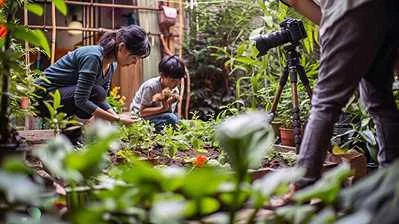
Creating and maintaining outdoor green spaces requires a thoughtful combination of planning, soil preparation, plant selection, irrigation management, and long-term care strategies. A well-developed natural environment not only enhances visual appeal but also improves air quality, supports biodiversity, and increases the overall value and usability of a property. Whether the space is small or large, success depends on understanding how each element of the landscape works together to support healthy growth over time.
This guide explores the essential principles behind building and maintaining sustainable outdoor environments, focusing on practical techniques that ensure long-term success and environmental balance.
Understanding the Foundation of Healthy Outdoor Environments
Every successful outdoor green space begins with the condition of the soil. Soil is the foundation that determines how well plants can grow, absorb nutrients, and establish strong root systems. Without proper soil preparation, even the best design or plant selection may fail to produce lasting results.
Soil quality depends on several factors, including texture, nutrient content, drainage ability, and pH balance. Soil that is too compact or nutrient-deficient can restrict plant growth and lead to weak vegetation. Improving soil often involves adding organic matter, compost, or other amendments to enhance fertility and structure.
Proper drainage is equally important. Excess water can lead to root rot and fungal issues, while insufficient moisture can cause plants to dry out and weaken. A balanced soil system ensures that water and nutrients are available in the right amounts.
In structured outdoor development projects, plantings are always supported by carefully prepared soil conditions to ensure long-term stability and healthy growth.
Planning and Design for Sustainable Outdoor Spaces
Effective outdoor development begins with a clear and well-structured design plan. This involves organizing space in a way that is both visually appealing and functionally practical. A well-designed environment considers movement flow, plant placement, sunlight exposure, and long-term maintenance needs.
Different areas of the landscape serve different purposes. Some sections may be designed for relaxation, while others focus on greenery or decorative features. Creating clear zones helps improve usability and ensures that each part of the space functions effectively.
Plant placement is a critical part of the design process. Taller plants are typically placed in the background, while smaller plants and ground cover are positioned in the foreground. This layering creates depth and visual balance while ensuring that each plant receives adequate sunlight.
Water flow and drainage must also be considered during planning. Proper grading ensures that water moves away from structures and does not accumulate in low areas. This prevents damage and supports healthier plant growth.
Carefully planned plantings help ensure that the overall design remains balanced, sustainable, and visually appealing over time.
Selecting Suitable Vegetation for Long-Term Growth
Choosing the right plants is one of the most important decisions in developing a successful outdoor environment. Each plant species has specific requirements for sunlight, water, soil type, and climate conditions. Selecting plants that are well-suited to the environment reduces maintenance needs and improves long-term success.
Native plants are often the best choice because they are naturally adapted to local conditions. They typically require less water, fewer fertilizers, and are more resistant to pests and diseases. This makes them both environmentally friendly and cost-effective.
Diversity is also important in plant selection. A mix of trees, shrubs, flowers, and ground cover creates a more resilient ecosystem and enhances visual appeal throughout different seasons.
Grouping plants with similar needs together improves efficiency in watering and maintenance. It also ensures that each plant receives the appropriate care without unnecessary resource waste.
In professional outdoor development, plantings are carefully selected to ensure long-term balance, sustainability, and aesthetic harmony.
Soil Preparation and Long-Term Plant Health
Soil preparation is a critical step that directly impacts plant survival and growth. Proper preparation ensures that roots can expand freely and access the nutrients they need.
Improving soil structure often involves adding compost or organic matter to increase fertility and water retention. This helps create a balanced environment where plants can thrive.
Compacted soil is one of the most common problems in outdoor environments. It restricts root growth and reduces the ability of water and nutrients to penetrate the ground. Aeration techniques help loosen the soil and improve its structure.
Mulching is another important practice that supports soil health. It helps retain moisture, regulate temperature, and reduce weed growth. Over time, mulch also decomposes and enriches the soil.
Well-prepared soil ensures that plantings establish strong root systems and remain healthy over the long term.
Irrigation and Water Management Systems
Water is essential for plant growth, but it must be carefully managed to avoid overwatering or underwatering. Proper irrigation systems ensure that plants receive consistent and adequate moisture.
Drip irrigation systems are highly efficient because they deliver water directly to the root zone, reducing waste and evaporation. Sprinkler systems are also commonly used for larger areas but must be properly adjusted for even coverage.
Drainage systems play an equally important role by preventing water accumulation. Excess water can damage roots and lead to plant diseases if not properly managed.
Efficient water management ensures that plantings receive the right amount of moisture while conserving natural resources and maintaining soil balance.
Maintenance Practices for Long-Term Success
Ongoing maintenance is essential for preserving the health and appearance of outdoor green spaces. Without regular care, even well-designed environments can deteriorate over time.
Pruning helps control plant growth, remove dead branches, and encourage healthy development. This improves both appearance and plant vitality.
Weeding is also essential because weeds compete with plants for nutrients, water, and sunlight. Regular removal ensures that desired vegetation can grow without competition.
Fertilization provides essential nutrients that support healthy growth. However, it must be applied in balanced amounts to avoid damaging plants or soil.
Pest and disease monitoring is another important part of maintenance. Early detection allows for quick treatment before problems spread.
In structured care systems, plantings are supported by consistent maintenance routines to ensure long-term health and visual appeal.
Environmental Benefits of Well-Designed Green Spaces
Healthy outdoor environments provide significant environmental advantages. They improve air quality by absorbing carbon dioxide and releasing oxygen. They also help regulate temperature by providing shade and cooling effects.
Green spaces support biodiversity by creating habitats for birds, insects, and other wildlife. This helps maintain ecological balance and promotes a healthier environment.
Soil stabilization is another benefit, as plant roots help prevent erosion and maintain soil structure. This is especially important in areas exposed to heavy rainfall or wind.
Carefully planned plantings contribute to these environmental benefits by creating structured and sustainable ecosystems that support both nature and human use.
Seasonal Care and Adaptation Strategies
Outdoor environments change with the seasons, and maintenance practices must adapt accordingly. During active growth periods, plants require more frequent watering, pruning, and fertilization. During dormant periods, maintenance needs decrease but protective measures may still be necessary.
Seasonal adjustments help ensure that plants remain healthy throughout the year. This includes modifying watering schedules, adjusting fertilizer use, and protecting sensitive plants from extreme weather conditions.
Proper seasonal planning helps maintain balance and prevents long-term damage caused by environmental changes.
Long-Term Value of Structured Outdoor Development
Well-planned outdoor environments provide long-term benefits that go beyond appearance. They increase property value, improve usability, and create more enjoyable living and working spaces.
They also reduce long-term maintenance costs by promoting healthier plant growth and reducing the need for corrective interventions.
Structured development ensures that all elements work together efficiently, creating a stable and sustainable environment.
Conclusion
Developing and maintaining outdoor green spaces requires a combination of planning, soil preparation, plant selection, irrigation management, and consistent care. Each element plays a vital role in ensuring long-term success and sustainability.
When properly executed, plantings become the foundation of healthy, balanced, and visually appealing outdoor environments that remain strong and vibrant for years. With thoughtful design and ongoing maintenance, any outdoor space can be transformed into a sustainable and functional natural environment that benefits both people and nature.