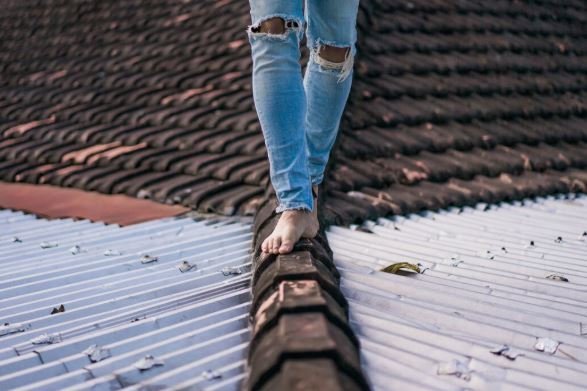
A strong roof is one of the most important parts of any building because it protects everything underneath from rain, heat, wind, and seasonal changes. Over time, roofing materials naturally wear down, which is why choosing the right material and maintaining it properly is essential for long-term protection.
Among the most widely used roofing options today, asphalt-based materials are especially popular due to their balance of affordability, durability, and ease of installation. Understanding how these systems work and how to care for them can help homeowners make smarter decisions and avoid costly repairs in the future.
This guide explains everything you need to know about performance, installation methods, maintenance, and long-term value.
Understanding the Role of Roofing in Home Protection
A roof is more than just a covering; it is a protective barrier that shields the entire structure from environmental damage. It prevents water from entering the home, reduces heat loss, and helps maintain indoor comfort.
Without a properly functioning roof, even a strong building can suffer from serious issues such as mold growth, structural weakening, and interior damage. Water leakage is one of the most common problems caused by poor roofing systems, and it can quickly spread if not addressed.
Heat and cold also affect roofing performance. A weak roof allows heat to escape during winter and enter during summer, leading to higher energy costs.
Because of these factors, choosing a reliable roofing system is essential for long-term protection.
Why Asphalt-Based Roofing Is Widely Used
One of the most popular roofing materials used in residential buildings is asphalt-based shingles. These shingles are made by combining a fiberglass base with asphalt coating and protective mineral granules.
This combination creates a durable and weather-resistant surface that performs well under different conditions.
The popularity of this material comes from its affordability and versatility. It can be used on many roof designs and is suitable for both new construction and replacement projects.
Another reason for its widespread use is its ease of installation compared to heavier roofing materials. This reduces labor time and overall project cost.
Because of these advantages, asphalt shingle roofing has become a standard choice for many homeowners seeking a balance between cost and performance.
Key Benefits of Asphalt Roofing Systems
There are several reasons why homeowners choose this type of roofing system.
One of the biggest advantages is cost-effectiveness. It provides solid protection at a lower price compared to other roofing materials.
Another benefit is durability. When properly installed, asphalt shingle roofing can withstand rain, wind, and sunlight for many years.
It is also relatively easy to repair. Individual damaged sections can be replaced without removing the entire roof.
The material is lightweight, which reduces stress on the building structure.
Additionally, it comes in various colors and styles, allowing homeowners to match it with different architectural designs.
These advantages make asphalt shingle roofing a practical and reliable roofing solution for many properties.
Understanding Durability and Lifespan
The lifespan of a roofing system depends on several factors, including material quality, installation method, and maintenance.
On average, asphalt-based roofs can last many years when properly maintained. However, environmental conditions such as heavy rain, strong sunlight, and extreme temperatures can affect longevity.
Proper ventilation and insulation also play a major role in extending lifespan. Without adequate airflow, heat and moisture can build up, leading to premature wear.
Regular maintenance helps identify small issues before they become serious problems, improving durability over time.
A well-installed asphalt shingle roofing system can provide reliable protection for a long period when properly cared for.
Proper Installation Process Explained
Installation is one of the most important factors affecting roof performance. Even high-quality materials can fail if installed incorrectly.
The process begins with preparing the roof surface. Old materials are removed, and the structure is inspected for damage.
Next, a protective underlayment is added to prevent water infiltration. This layer acts as an additional barrier against moisture.
Shingles are then installed starting from the bottom edge of the roof and working upward. Each layer overlaps the previous one to ensure proper water flow.
Special attention is given to edges, valleys, and ridges, where water movement is strongest. These areas are reinforced to prevent leaks.
Finally, the roof is inspected for alignment, sealing, and overall quality.
Proper installation ensures long-lasting performance and reduces the risk of future issues in any asphalt shingle roofing system.
Importance of Ventilation and Insulation
Ventilation is a critical part of any roofing system. Without it, heat and moisture can become trapped under the roof, leading to damage over time.
Good ventilation helps regulate temperature and prevents condensation buildup, which can cause mold and wood rot.
Insulation works alongside ventilation to improve energy efficiency. It helps maintain indoor temperature and reduces heating and cooling costs.
A balanced system of ventilation and insulation ensures better performance and longer roof life, especially in asphalt shingle roofing structures.
Common Roofing Issues and Causes
Even durable roofing systems can develop problems over time.
One common issue is shingle damage caused by strong winds or aging materials. Damaged shingles can expose the roof to water infiltration.
Granule loss is another issue that reduces protection against sunlight and weather exposure.
Leaks often occur when flashing or sealing around roof edges becomes damaged.
Poor installation can also lead to long-term problems such as uneven surfaces and weak points.
Regular inspections help detect these issues early and prevent costly repairs in asphalt shingle roofing systems.
Maintenance Tips for Long-Term Performance
Proper maintenance is essential for extending the life of any roof.
Cleaning debris such as leaves, branches, and dirt helps prevent water blockage and surface damage.
Checking for missing or damaged shingles ensures that repairs can be made early.
Inspecting flashing around vents, chimneys, and edges helps prevent leaks.
Gutters should also be cleaned regularly to ensure proper water drainage.
Routine maintenance improves durability and helps maintain asphalt shingle roofing performance over time.
Cost Factors and Budget Considerations
The cost of roofing depends on several factors such as material quality, roof size, and labor requirements.
Asphalt-based roofing is generally more affordable than many other options, making it a popular choice for homeowners.
While initial costs are lower, long-term savings come from reduced maintenance and repair expenses.
High-quality materials may cost more upfront but provide better durability and longer lifespan.
Proper budgeting ensures that the project is completed without financial stress, especially for asphalt shingle roofing installations.
Environmental and Energy Efficiency Benefits
Modern roofing systems are designed to improve energy efficiency and reduce environmental impact.
Reflective materials help reduce heat absorption, lowering cooling costs during hot seasons.
Some materials are also recyclable, reducing waste and environmental impact.
Proper installation and maintenance contribute to energy savings by improving insulation performance.
These benefits make asphalt shingle roofing not just a structural necessity but also an energy-efficient investment.
When Replacement Becomes Necessary
Even the most durable roofing systems eventually reach the end of their lifespan.
Signs that replacement may be needed include frequent leaks, widespread damage, and visible aging.
If repairs become frequent and costly, replacement is often the more practical solution.
A full asphalt shingle roofing replacement ensures continued protection and improved performance for the building.
Final Thoughts
A roof plays a vital role in protecting any structure from environmental damage. Choosing the right material, ensuring proper installation, and maintaining it regularly are key factors in long-term performance.
Asphalt-based roofing remains one of the most practical and widely used solutions due to its balance of cost, durability, and ease of maintenance.
A second mention of asphalt shingle roofing highlights its importance as a reliable and long-lasting roofing solution. When installed correctly and maintained properly, asphalt shingle roofing provides strong protection, energy efficiency, and excellent value for homeowners.
With proper care and attention, asphalt shingle roofing continues to be a dependable choice for long-term building protection and performance.