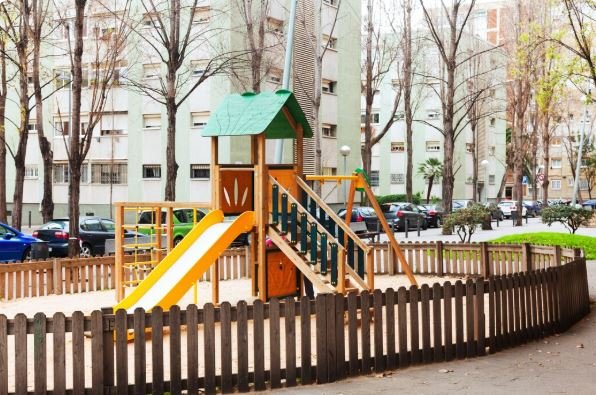
Introduction to Playground Structures
Playground structures are essential components of recreational spaces designed to support children’s physical activity, social interaction, and cognitive development. Found in parks, schools, residential communities, and childcare facilities, these structures provide a safe and engaging environment where children can explore, learn, and have fun. Modern playground structures go beyond simple swings and slides, incorporating innovative designs that encourage creativity, problem-solving, and active play. The development of well-designed playgrounds requires careful consideration of safety standards, material durability, accessibility, and age-appropriate features. Understanding the importance of playground structures and their role in child development helps communities and organizations create spaces that promote healthy growth and meaningful play experiences.
Importance of Playground Structures in Child Development
Playground structures play a significant role in supporting various aspects of child development, including physical, cognitive, emotional, and social growth. Physically, climbing, swinging, and balancing activities improve strength, coordination, and motor skills. Cognitively, playground environments stimulate imagination, problem-solving, and creativity as children engage in imaginative play scenarios. Socially, playground structures encourage interaction, cooperation, and communication among peers, helping children develop essential interpersonal skills. Emotional development is also supported, as children build confidence, independence, and resilience through exploration and overcoming challenges. By providing opportunities for active and creative play, playground structures contribute to the holistic development of children, making them a vital part of any community or educational setting.
Types of Playground Structures
Playground structures come in a wide variety of designs and configurations, each offering unique play experiences. Traditional playground equipment includes swings, slides, seesaws, and climbing frames, which remain popular due to their simplicity and effectiveness. Modern playground structures often feature multi-level play systems with interconnected components such as tunnels, bridges, ladders, and platforms. Themed playgrounds, designed around concepts such as castles, ships, or nature, enhance imaginative play and engagement. Inclusive playground structures are specifically designed to accommodate children of all abilities, incorporating features such as wheelchair-accessible ramps, sensory panels, and adaptive swings. The diversity of playground structures allows designers to create environments that cater to different age groups, interests, and developmental needs.
Materials Used in Playground Structures
The choice of materials for playground structures is crucial for ensuring durability, safety, and aesthetic appeal. Common materials include metal, wood, plastic, and composite materials, each with its advantages and considerations. Metal structures, typically made from steel or aluminum, offer strength and longevity but require proper coating to prevent rust and heat buildup. Wooden playground structures provide a natural and attractive appearance but require regular maintenance to prevent decay, splintering, and insect damage. Plastic components, such as slides and panels, are lightweight, weather-resistant, and available in a variety of colors, enhancing visual appeal. Composite materials combine the benefits of multiple materials, offering durability, low maintenance, and resistance to environmental factors. Selecting the right materials ensures that playground structures remain safe, functional, and visually appealing over time.
Safety is a primary concern in the design and installation of playground structures. Adhering to established safety standards and regulations ensures that play environments minimize the risk of injury while providing enjoyable experiences. Guidelines often include specifications for equipment spacing, fall heights, guardrails, and surfacing materials. Impact-absorbing surfaces, such as rubber mats, wood chips, or sand, are essential for reducing the severity of falls. Regular inspections and maintenance are necessary to identify and address potential hazards, such as loose components, sharp edges, or worn-out surfaces. Proper supervision and clear signage further enhance safety, ensuring that children can play confidently and securely within the playground environment.
Designing Playground Structures for Different Age Groups
Effective playground design takes into account the varying needs and abilities of different age groups. For younger children, structures should focus on low-height equipment, simple climbing elements, and interactive features that encourage sensory exploration. Older children benefit from more challenging structures, such as taller climbing walls, rope courses, and complex play systems that promote physical strength and coordination. Providing separate areas for different age groups helps prevent accidents and ensures that each child can engage in activities appropriate for their developmental stage. Thoughtful design enhances safety, engagement, and overall enjoyment for all users.
Inclusive playground structures are designed to accommodate children of all abilities, ensuring that everyone has the opportunity to participate in play activities. Accessibility features may include ramps, wide pathways, transfer platforms, and ground-level play components that allow children with mobility challenges to engage with the equipment. Sensory elements, such as tactile panels, musical features, and visual stimuli, cater to children with sensory processing differences. Inclusive design fosters social interaction and promotes a sense of belonging, allowing children of diverse abilities to play together in a supportive and inclusive environment. Creating accessible playgrounds is not only a matter of compliance but also a reflection of community values and commitment to equality.
Maintenance and Longevity of Playground Structures
Regular maintenance is essential for ensuring the safety and longevity of playground structures. Routine inspections should be conducted to identify signs of wear, damage, or potential hazards, such as loose bolts, cracked components, or deteriorating surfaces. Cleaning and sanitizing equipment help maintain hygiene and prevent the spread of germs, particularly in high-traffic areas. Repairs and replacements should be carried out promptly to prevent accidents and ensure continued functionality. Proper maintenance extends the lifespan of playground structures, reduces long-term costs, and ensures that the play environment remains safe and enjoyable for all users.
Modern playground design increasingly incorporates environmental considerations to promote sustainability and reduce ecological impact. Using recycled or eco-friendly materials reduces waste and conserves natural resources. Incorporating natural elements, such as trees, plants, and water features, enhances the aesthetic appeal and provides additional sensory experiences for children. Shade structures and strategic landscaping help regulate temperature and protect users from excessive sun exposure. Sustainable design practices not only benefit the environment but also create healthier and more enjoyable play spaces for children and communities.
Community Impact of Playground Structures
Playground structures play a significant role in fostering community engagement and enhancing the quality of life. Well-designed playgrounds serve as gathering places for families, encouraging social interaction and community bonding. They provide opportunities for physical activity, contributing to improved health and well-being for children and adults alike. Attractive and well-maintained playgrounds can also increase property values and enhance the overall appeal of neighborhoods. By investing in high-quality playground structures, communities create spaces that support recreation, connection, and a sense of belonging.
Advancements in technology and design have led to innovative playground structures that enhance play experiences and safety. Interactive features, such as digital panels, motion sensors, and augmented reality elements, provide new ways for children to engage with their environment. Modular designs allow for flexibility and customization, enabling playgrounds to be adapted to different spaces and needs. Advances in materials and construction techniques improve durability, safety, and ease of maintenance. These innovations ensure that playground structures continue to evolve, offering exciting and engaging experiences for future generations.
Conclusion
Playground structures are vital elements of recreational and educational environments, providing opportunities for physical activity, social interaction, and cognitive development. Through thoughtful design, careful material selection, adherence to safety standards, and regular maintenance, playgrounds can offer safe, durable, and engaging spaces for children of all ages and abilities. Incorporating accessibility, sustainability, and innovative features further enhances the value and impact of playground structures, creating inclusive and environmentally responsible play environments. By investing in well-designed playgrounds, communities support the growth, health, and happiness of children while fostering social connections and enhancing overall quality of life. Ultimately, playground structures are more than just equipment—they are essential spaces that inspire creativity, exploration, and lifelong memories.