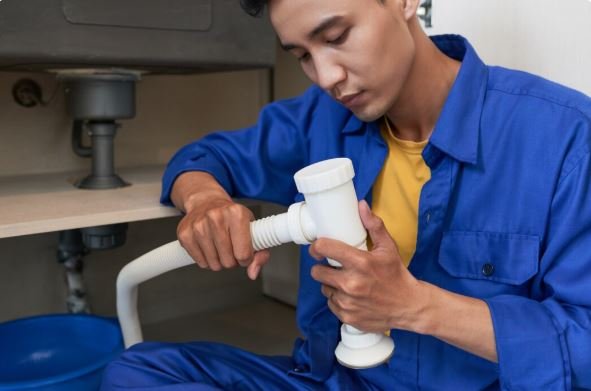
Pipe systems are the hidden backbone of every modern building. Whether it is a residential home, commercial facility, or industrial structure, a properly designed and installed piping network ensures the smooth flow of water, gas, and waste. Although pipes remain out of sight, their performance directly affects hygiene, comfort, safety, and overall building efficiency. Poor installation can lead to leaks, water contamination, pressure loss, and expensive structural damage, while professional installation ensures long-term reliability and reduced maintenance needs. Because of this, pipe installation is one of the most critical stages in any plumbing or construction project, requiring careful planning, material selection, and technical expertise.
Understanding the Importance of Proper Pipe Installation
A piping system is not just a collection of connected tubes; it is a carefully engineered network designed to control fluid movement under specific pressure and environmental conditions. When installed correctly, it ensures consistent water supply, efficient drainage, and safe waste disposal. However, even small mistakes during installation can create long-term problems such as leaks, corrosion, clogging, or pressure imbalance.
Modern construction standards emphasize precision in pipe installation because buildings today rely heavily on complex plumbing systems. Kitchens, bathrooms, heating systems, air conditioning units, and industrial machines all depend on properly installed piping networks. Any failure in these systems can disrupt daily operations and lead to costly repairs.
The importance of proper installation also increases with building size. In large facilities, multiple pipe networks operate simultaneously, and even a minor defect in one section can affect the entire system. This makes professional installation essential for ensuring durability and system stability.
Choosing the Right Pipe Material for Installation
One of the most important decisions in any piping project is selecting the appropriate material. Different materials are designed for different purposes, and choosing the wrong one can reduce system efficiency and lifespan. Common pipe materials include PVC, copper, PEX, steel, and galvanized iron, each offering unique advantages.
PVC pipes are widely used for drainage and cold water supply due to their affordability, corrosion resistance, and lightweight structure. Copper pipes, on the other hand, are known for their durability and ability to withstand high temperatures, making them suitable for hot water systems. PEX piping has become increasingly popular in modern plumbing because it is flexible, easy to install, and resistant to freezing damage.
Steel and galvanized iron pipes are often used in industrial and high-pressure applications due to their strength and durability. However, they may require additional protection against corrosion over time. The choice of material depends on factors such as water type, pressure levels, environmental conditions, and budget considerations.
Selecting the right material during pipe installation ensures long-term performance and reduces the risk of future system failures.
Planning and Design Before Installation
Proper planning is the foundation of any successful piping system. Before installation begins, engineers and plumbers carefully design the layout to ensure efficient water flow and minimal pressure loss. This includes determining pipe routes, connection points, diameter sizes, and system pressure requirements.
A well-designed system reduces unnecessary bends and joints, which can restrict flow and increase the chances of leakage. It also ensures that pipes are accessible for maintenance and repairs if needed in the future. In modern construction, digital design tools are often used to create accurate plumbing layouts before physical installation begins.
Another important aspect of planning is compliance with building codes and safety regulations. These standards ensure that piping systems meet required performance and safety levels. Ignoring proper design principles can result in inefficient systems and costly modifications later.
Step-by-Step Process of Pipe Installation
The installation process begins with site preparation, where the layout is marked according to the design plan. This step ensures that pipes are placed accurately and aligned correctly with the building structure. Once marking is complete, trenches or wall channels are created depending on whether the pipes are being installed underground, inside walls, or above ground.
After preparation, pipe cutting and fitting begin. Pipes are measured, cut to size, and connected using appropriate joining methods such as welding, solvent cementing, threading, or compression fittings. The method used depends on the pipe material and system requirements.
During pipe installation, proper sealing is extremely important to prevent leaks. Joints must be tightly secured, and sealing materials such as Teflon tape or rubber gaskets are often used to ensure watertight connections. Even a small gap in a joint can lead to long-term leakage and water damage.
Once installation is complete, the system undergoes pressure testing to check for leaks and ensure proper functionality. Water or air is pumped through the system at controlled pressure levels to identify weak points. Any issues discovered during testing are corrected before the system is fully operational.
Finally, pipes are covered or insulated depending on their location. Underground pipes are buried with protective layers, while exposed pipes may be insulated to prevent temperature damage.
Common Mistakes in Pipe Installation
Improper installation practices can lead to serious plumbing issues over time. One of the most common mistakes is using incorrect pipe sizes. Undersized pipes can restrict water flow, while oversized pipes may reduce pressure efficiency.
Another frequent issue is poor joint sealing, which can cause leaks and water damage. Inadequate support for pipes is also a common problem, especially in long horizontal installations where pipes may sag or shift over time.
Incorrect slope alignment in drainage systems can lead to water stagnation and clogging. Similarly, failing to consider thermal expansion in hot water systems can cause pipes to crack or loosen at joints.
Avoiding these mistakes during pipe installation is essential for ensuring system durability and reducing maintenance costs in the future.
Importance of Professional Installation Services
While some small plumbing tasks can be handled independently, pipe installation for entire systems requires professional expertise. Skilled plumbers understand material behavior, pressure dynamics, and building requirements, allowing them to design and install efficient systems.
Professional installers also use specialized tools that ensure precise cutting, secure fittings, and accurate alignment. This reduces the risk of errors and improves system reliability. Additionally, experienced technicians are familiar with safety standards and building codes, ensuring compliance with regulations.
Hiring professionals for pipe installation not only improves system quality but also saves time and reduces long-term repair expenses. A properly installed system can function efficiently for many years with minimal maintenance.
Maintenance After Pipe Installation
Even after proper installation, regular maintenance is necessary to keep the piping system in good condition. Routine inspections help detect leaks, corrosion, or blockages early before they develop into major issues.
Cleaning drainage systems periodically prevents buildup of debris and ensures smooth flow. In water supply systems, checking pressure levels and inspecting joints helps maintain efficiency. In colder climates, insulating pipes can prevent freezing and bursting during low temperatures.
Preventive maintenance extends the lifespan of the entire plumbing system and ensures consistent performance over time.
Technological Advancements in Pipe Installation
Modern plumbing technology has significantly improved the efficiency and reliability of pipe systems. Flexible piping materials like PEX have made installation faster and easier, reducing the need for multiple fittings and joints. Advanced leak detection tools allow plumbers to identify hidden issues without damaging walls or floors.
Digital design software also plays a major role in modern pipe installation, allowing engineers to create precise layouts and simulate system performance before actual construction begins. This reduces errors and improves overall system efficiency.
In industrial applications, automated welding and precision cutting tools ensure high-quality installations with minimal human error. These advancements continue to improve the safety, durability, and efficiency of modern piping systems.
Environmental and Efficiency Considerations
Sustainable construction practices have also influenced modern pipe installation methods. Efficient piping systems help reduce water waste and energy consumption. Properly designed systems minimize leakage and ensure optimal flow, reducing unnecessary resource usage.
Eco-friendly materials and recyclable piping options are becoming more common in modern construction. These materials reduce environmental impact while maintaining high performance standards.
Efficient pipe installation not only benefits building owners but also contributes to long-term environmental conservation by reducing water loss and improving system efficiency.
Conclusion
Pipe systems are essential to the functionality of every building, and their performance depends heavily on proper installation. From material selection and system design to precise fitting and testing, every stage of pipe installation plays a crucial role in ensuring durability and efficiency.
A well-installed piping system provides reliable water supply, effective drainage, and long-term cost savings. On the other hand, poor installation can lead to frequent repairs, water damage, and system failure. With the help of professional expertise, modern tools, and proper planning, piping systems can deliver consistent performance for many years.
As construction technology continues to evolve, pipe installation methods are becoming more efficient, precise, and environmentally friendly. Investing in quality installation today ensures a safer, more reliable, and more sustainable infrastructure for the future.