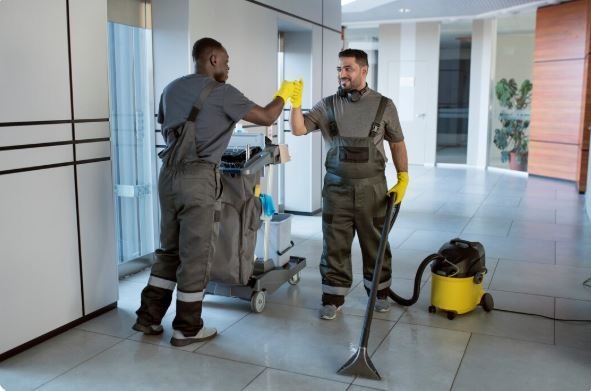
Maintaining a clean, hygienic, and well-organized environment is essential for any commercial or residential space. Clean surroundings not only enhance appearance but also improve health, productivity, and overall satisfaction for everyone who uses the space. Professional cleaning practices have evolved significantly over time, offering structured systems and reliable methods that ensure every corner of a facility is properly maintained. One of the most important aspects of this industry is understanding how consistent maintenance schedules and trained personnel contribute to long-term cleanliness and operational efficiency.
Modern cleaning solutions are no longer limited to simple dusting or sweeping. Instead, they involve advanced techniques, specialized equipment, and environmentally conscious products designed to achieve high standards of hygiene. Businesses and property managers increasingly rely on professional cleaning support to ensure their environments meet health and safety expectations. In this context, services such as Janitorial service play a critical role in maintaining daily cleanliness while supporting long-term facility care.
The Importance of Structured Cleaning Systems
A structured cleaning system is essential for maintaining consistency in any building or facility. Without a proper plan, cleaning tasks may become irregular, leading to buildup of dirt, bacteria, and clutter. A well-organized approach ensures that every area receives attention at the right time, preventing long-term damage and maintaining a professional appearance.
Facilities that implement structured cleaning schedules benefit from improved efficiency and reduced maintenance costs. Regular upkeep minimizes the need for deep cleaning or costly repairs caused by neglect. Moreover, employees and visitors feel more comfortable in environments that are consistently clean and well-maintained. This directly impacts productivity and creates a positive impression on clients or guests.
Professional cleaning teams often follow detailed checklists and schedules to ensure nothing is overlooked. These systems are designed to address high-traffic areas more frequently while still maintaining less-used spaces. This balance ensures optimal cleanliness throughout the entire property.
Key Elements of Effective Facility Maintenance
Effective facility maintenance goes beyond surface cleaning. It includes sanitation, waste management, restocking supplies, and ensuring that all areas meet hygiene standards. High-touch surfaces such as door handles, desks, and restrooms require special attention to prevent the spread of germs and bacteria.
Training is another essential component. Cleaning staff must be knowledgeable about proper chemical usage, equipment handling, and safety protocols. Incorrect use of cleaning agents can damage surfaces or create health hazards. Proper training ensures that tasks are completed safely and efficiently.
In addition, modern cleaning practices emphasize sustainability. Eco-friendly products and methods are increasingly being used to reduce environmental impact while still delivering excellent results. This shift reflects growing awareness of environmental responsibility within the cleaning industry.
A professional Janitorial service typically integrates these elements into its operations, ensuring that facilities remain clean, safe, and environmentally responsible at all times.
Benefits of Professional Cleaning Support
One of the primary advantages of hiring professional cleaning support is consistency. Unlike occasional cleaning efforts, professional teams operate on scheduled routines that guarantee regular maintenance. This consistency helps prevent buildup of dirt and ensures that hygiene standards are always met.
Another significant benefit is time efficiency. Businesses and property owners can focus on their core activities while trained professionals handle cleaning responsibilities. This division of labor improves productivity and reduces stress for management and staff.
Health and safety are also major considerations. Clean environments reduce the risk of illness caused by bacteria, allergens, and viruses. Professional cleaning teams use advanced disinfecting techniques to ensure that spaces remain safe for occupants.
Furthermore, professional cleaning enhances the overall appearance of a facility. A clean and organized environment creates a positive impression on clients, customers, and visitors. This can influence business reputation and contribute to long-term success.
In many cases, organizations rely on a trusted Janitorial service to ensure that these benefits are consistently achieved without interruption.
Role of Technology in Modern Cleaning Practices
Technology has transformed the cleaning industry in significant ways. From automated cleaning equipment to digital scheduling systems, innovation has improved efficiency and accuracy in facility maintenance.
Advanced vacuum systems, floor scrubbers, and disinfecting machines allow cleaning teams to complete tasks faster and more thoroughly. These tools are especially useful in large commercial spaces where manual cleaning would be time-consuming and less effective.
Digital management systems also help coordinate cleaning schedules, track tasks, and monitor performance. Facility managers can easily review completed work and ensure that all areas are properly maintained. This level of transparency improves accountability and service quality.
Even in traditional environments, technology continues to support better outcomes. Smart sensors, for example, can detect when restrooms need attention or when supplies are running low, allowing cleaning teams to respond quickly.
These advancements have made professional cleaning more reliable and efficient than ever before, further enhancing the value of a well-organized Janitorial service.
Challenges in Maintaining Clean Environments
Despite advancements in tools and techniques, maintaining a consistently clean environment still presents challenges. High-traffic areas tend to accumulate dirt quickly, requiring frequent attention. Weather conditions, seasonal changes, and building usage patterns also affect cleanliness levels.
Another challenge is ensuring consistency across different staff members and shifts. Without proper communication and training, cleaning standards may vary. This is why structured protocols and supervision are essential in professional cleaning operations.
Budget constraints can also impact the quality of cleaning services. Some organizations may attempt to reduce costs by limiting cleaning frequency or using cheaper materials, which can negatively affect long-term maintenance.
Professional cleaning providers address these challenges by offering scalable solutions tailored to the specific needs of each facility. A reliable Janitorial service ensures that quality standards are maintained regardless of these external factors.
Best Practices for Long-Term Cleanliness
Long-term cleanliness requires more than just routine cleaning. It involves planning, monitoring, and continuous improvement. One of the best practices is conducting regular inspections to identify areas that need extra attention. This helps prevent issues before they become serious problems.
Another important practice is employee awareness. In shared environments, encouraging individuals to maintain cleanliness contributes significantly to overall hygiene. Simple habits such as proper waste disposal and keeping personal spaces organized make a big difference.
Using high-quality cleaning products and equipment also ensures better results and longer-lasting cleanliness. Cheap or ineffective materials may save money initially but often lead to higher maintenance costs over time.
Professional cleaning providers often implement these best practices as part of their service model. A well-managed Janitorial service integrates inspection routines, quality control measures, and continuous staff training to maintain high standards.
The Growing Demand for Professional Cleaning Solutions
The demand for professional cleaning services has increased significantly in recent years. This growth is driven by rising awareness of hygiene, health concerns, and the need for efficient facility management.
Businesses across various industries now recognize that cleanliness directly affects productivity and customer satisfaction. As a result, many organizations choose to outsource cleaning responsibilities to experienced providers rather than managing them internally.
This trend has also led to the development of more specialized cleaning solutions tailored to specific industries. Whether it is office buildings, retail spaces, or industrial facilities, customized cleaning strategies ensure optimal results.
In this evolving landscape, a dependable Janitorial service continues to be a key component of facility management strategies, offering flexibility, expertise, and reliability.
Conclusion
Cleanliness is a fundamental requirement for any successful environment, whether commercial or residential. It influences health, productivity, and overall perception. Through structured systems, advanced tools, and trained professionals, modern cleaning practices ensure that spaces remain safe, organized, and visually appealing.
The role of professional cleaning support has become increasingly important in maintaining these standards. From routine maintenance to specialized sanitation, expert services provide consistent and reliable solutions that meet the needs of modern facilities. As expectations for cleanliness continue to rise, the importance of a well-managed Janitorial service will only grow stronger, making it an essential part of effective facility management and long-term operational success.