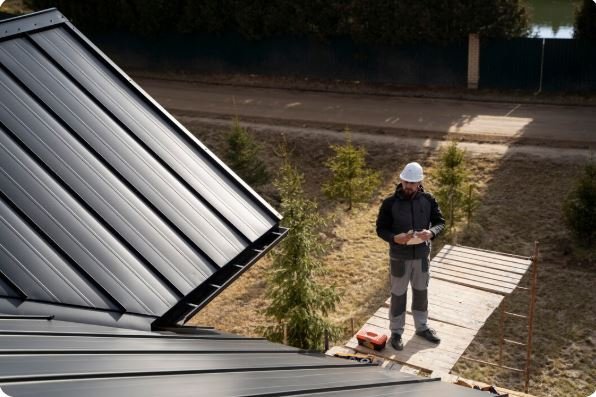
A roof is one of the most critical parts of any building, and when it starts to fail, the entire structure becomes vulnerable. Investing in a new roof is not just about improving appearance; it is about ensuring safety, durability, and long-term protection for your home. Many homeowners delay roof replacement until serious problems appear, but understanding the importance of timely action can prevent costly damage and unnecessary stress.
A roofing system is constantly exposed to environmental conditions such as rain, wind, sunlight, and temperature changes. Over time, these factors weaken materials and reduce their effectiveness. When repairs are no longer sufficient, installing a new roof becomes the most practical solution. This process may seem overwhelming, but with the right knowledge, it becomes a manageable and worthwhile investment.
Understanding When You Need a New Roof
Knowing when to replace your roof is essential for avoiding structural damage. One of the most common signs is frequent leaks. If water continues to enter your home despite repeated repairs, it may indicate that the roofing system has reached the end of its lifespan.
Another clear sign is visible wear and tear. Missing shingles, curling edges, and widespread cracking suggest that the materials are no longer functioning properly. In such cases, a new roof is often more cost-effective than continuous patchwork repairs.
Age is also an important factor. Most roofing systems have a limited lifespan depending on the materials used. Once this period is exceeded, the risk of failure increases significantly. Even if there are no obvious issues, older roofs are more likely to develop problems unexpectedly.
Interior signs such as water stains on ceilings, mold growth, or peeling paint can also indicate deeper roofing issues. These symptoms often suggest that moisture has already penetrated the structure.
Benefits of Installing a New Roof
Investing in a new roof provides several long-term advantages beyond basic protection. One of the most noticeable benefits is improved safety. A structurally sound roof ensures that your home remains protected from weather-related damage, reducing the risk of leaks, collapse, or insulation failure.
Energy efficiency is another major advantage. Modern roofing materials are designed to reflect heat and improve insulation. This helps maintain stable indoor temperatures and reduces energy consumption, leading to lower utility bills.
A new roof also enhances the overall appearance of a property. Since the roof covers a large visible area, its condition significantly affects curb appeal. A fresh installation can instantly make a home look newer and more well-maintained.
In addition, replacing an old roof can increase property value. Buyers are often more interested in homes that do not require immediate major repairs. A recently installed roofing system provides reassurance and can make a property more attractive in the market.
Materials Used in Modern Roofing Systems
Choosing the right material is a crucial part of the roofing process. Different materials offer varying levels of durability, cost, and appearance.
Asphalt shingles are the most commonly used option due to their affordability and versatility. They are easy to install and come in a wide range of styles and colors. This makes them suitable for many types of homes.
Metal roofing is known for its strength and longevity. It can withstand harsh weather conditions and requires minimal maintenance. Although the initial cost is higher, its durability often makes it a cost-effective long-term choice.
Wood shingles provide a natural and traditional appearance. They offer good insulation but require more maintenance compared to other materials. They are often chosen for their aesthetic value.
Tile roofing is highly durable and resistant to fire and weather damage. It is heavier than other materials, which means the structure must be able to support the weight. However, it can last for decades when properly installed.
Composite materials combine different elements to offer improved performance and durability. They are designed to mimic the appearance of natural materials while providing enhanced protection.
Selecting the right material for a new roof depends on budget, climate, and design preferences.
The Process of Installing a New Roof
Installing a new roof involves several important steps that must be carried out carefully to ensure quality results. The process begins with a detailed inspection of the existing structure. This helps identify any underlying damage that needs to be addressed before installation begins.
Once the old roofing material is removed, the roof deck is inspected for structural integrity. Any damaged sections are repaired or replaced to create a solid foundation.
After preparation, an underlayment is installed to provide an additional layer of protection against moisture. This acts as a barrier between the roofing material and the structure below.
The selected roofing material is then installed in a systematic manner, starting from the bottom and working upward. Proper alignment is essential to ensure effective water drainage and prevent leaks.
Flashing is installed around vulnerable areas such as chimneys, vents, and edges to prevent water infiltration. Ventilation systems are also added or improved to regulate temperature and moisture inside the attic space.
Finally, a thorough inspection is conducted to ensure that the installation meets quality standards. This step is crucial for identifying any issues that need to be corrected before the project is completed.
Common Mistakes to Avoid During Roof Replacement
One of the most common mistakes homeowners make is delaying replacement until severe damage occurs. Waiting too long can lead to structural issues that increase repair costs.
Choosing low-quality materials to save money is another mistake. While it may reduce initial expenses, it often results in shorter lifespan and higher maintenance costs.
Improper installation is also a major concern. Even high-quality materials can fail if not installed correctly. This is why hiring experienced professionals is essential.
Ignoring ventilation requirements can lead to moisture buildup and reduce the efficiency of the roofing system. Proper airflow is necessary to maintain durability and performance.
Maintenance Tips After Installing a New Roof
Even after installing a new roof, regular maintenance is important to ensure long-term performance. Routine inspections help identify minor issues before they become serious problems.
Keeping the roof clean by removing debris such as leaves and branches prevents moisture buildup and reduces the risk of damage. Ensuring that gutters are clear also helps maintain proper water drainage.
Checking for loose or damaged shingles after storms is essential for preventing leaks. Prompt repairs can extend the lifespan of the roofing system.
It is also important to monitor attic conditions. Proper ventilation helps regulate temperature and prevents condensation, which can affect the roof’s structure over time.
Cost Considerations and Long-Term Value
The cost of installing a new roof varies depending on materials, size, and complexity of the project. While the initial investment may seem high, it should be viewed as a long-term improvement rather than an expense.
A high-quality roofing system reduces the need for frequent repairs and lowers maintenance costs. It also improves energy efficiency, which can lead to significant savings over time.
In addition, a well-installed roof increases property value, making it a smart financial decision for homeowners who plan to sell in the future.
When evaluating costs, it is important to consider both immediate expenses and long-term benefits.
When Professional Help Is Necessary
While some minor maintenance tasks can be handled by homeowners, installing a new roof is a complex process that requires professional expertise. Roofing specialists have the tools, experience, and knowledge needed to ensure proper installation.
Attempting to handle such a project without proper training can lead to safety risks and costly mistakes. Professionals also provide warranties and guarantees that offer additional protection and peace of mind.
Consulting an expert ensures that the roofing system is installed correctly and meets all safety and quality standards.
Final Thoughts
A well-installed roof is essential for protecting a home and ensuring long-term durability. When repairs are no longer effective, investing in a new roof becomes the most reliable solution. It not only enhances safety but also improves energy efficiency, appearance, and property value.
Understanding the installation process, material options, and maintenance requirements helps homeowners make informed decisions. With proper planning and professional support, a new roofing system can provide lasting protection and peace of mind for many years.