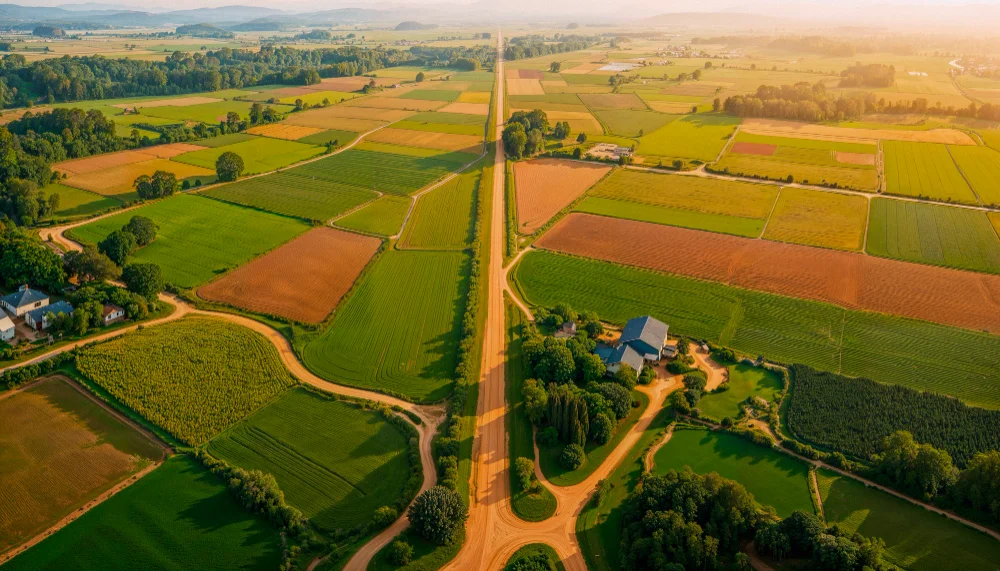
Land clearing is one of the most important first steps in transforming raw or overgrown land into a functional and productive space. Whether the goal is residential construction, agricultural use, commercial development, or simple property improvement, clearing land properly lays the groundwork for everything that follows. It is not just about removing trees and vegetation; it is a structured process that requires planning, the right techniques, and a balance between efficiency and environmental responsibility. When done correctly, land clearing enhances usability, improves safety, and increases the long-term value of a property.
Understanding Land Clearing and Its Role in Development
Land clearing involves the removal of unwanted vegetation, trees, stumps, rocks, and other obstacles from a piece of land to prepare it for a specific purpose. This process ensures that the surface is suitable for construction, farming, landscaping, or infrastructure development. It also helps improve accessibility, making it easier to navigate and utilize the area effectively.
The importance of land clearing extends beyond preparation. It directly impacts soil condition, drainage, and overall land stability. Proper clearing techniques can help maintain the integrity of the soil, while poor practices may lead to erosion or long-term environmental damage. This is why it is essential to approach land clearing with a clear understanding of both its benefits and potential challenges.
Reasons Why Land Clearing Is Necessary
There are several practical reasons why land clearing is carried out, and each project has its own unique requirements. One of the most common reasons is construction, where land must be cleared to create a stable and level foundation for buildings, roads, or other structures. Without proper clearing, construction projects can face delays, structural issues, and increased costs.
Agriculture is another major reason for land clearing. Farmers often clear land to prepare it for planting crops, improve soil conditions, and increase productivity. Removing unwanted vegetation allows crops to grow without competition for nutrients, sunlight, and water. Additionally, land clearing is often used to improve the appearance of a property, making it more attractive and functional for residential or recreational use.
Land clearing is also important for safety purposes. Overgrown vegetation can create hiding spots for pests and increase the risk of wildfires, especially in dry conditions. Removing these hazards helps create a safer environment for both people and property.
Methods Used in Land Clearing
Different land clearing projects require different methods, depending on factors such as the size of the area, type of vegetation, and terrain. Mechanical clearing is one of the most widely used methods, involving heavy equipment such as bulldozers, excavators, and mulchers. This method is highly efficient for large areas and dense vegetation, allowing for quick and thorough clearing.
Manual clearing is another method, typically used for smaller areas or projects that require precision. This approach involves tools such as chainsaws, axes, and brush cutters. While it is more labor-intensive, it allows for selective clearing, which can be beneficial when certain trees or plants need to be preserved.
Controlled burning is sometimes used to clear large areas quickly, particularly in agricultural or rural settings. However, this method requires strict adherence to safety and environmental regulations to prevent unintended damage. Chemical clearing, which involves the use of herbicides, is another option for controlling unwanted vegetation, though it must be used carefully to avoid harming the environment.
Equipment Involved in Land Clearing
The equipment used in land clearing plays a significant role in determining the efficiency and outcome of the project. Heavy machinery such as bulldozers is commonly used to push and remove large obstacles, while excavators are ideal for digging and removing stumps or rocks. Forestry mulchers are increasingly popular because they can clear and process vegetation into mulch in a single step.
For smaller projects, tools like chainsaws, stump grinders, and brush cutters may be sufficient. Choosing the right equipment depends on the specific needs of the project, including the type of vegetation, terrain, and desired results. Proper use of equipment not only improves efficiency but also ensures safety during the clearing process.
Environmental Considerations in Land Clearing
Land clearing can have significant environmental impacts if not carried out responsibly. Removing vegetation can lead to soil erosion, loss of wildlife habitats, and disruption of natural ecosystems. Therefore, it is important to adopt sustainable practices that minimize these effects.
One approach is selective clearing, which involves removing only the necessary vegetation while preserving valuable trees and plants. This helps maintain ecological balance and reduces environmental damage. Implementing erosion control measures, such as retaining ground cover or using mulch, can also protect the soil and prevent degradation.
Proper disposal or reuse of cleared materials is another important consideration. Instead of burning or discarding debris, it can be recycled or repurposed for other uses, such as landscaping or soil enrichment. Following local regulations and guidelines ensures that land clearing is conducted in an environmentally responsible manner.
Cost Factors Associated with Land Clearing
The cost of land clearing varies depending on several factors, including the size of the land, the density of vegetation, and the chosen method. Areas with thick forests and large trees typically require more time and resources, resulting in higher costs. On the other hand, open land with minimal vegetation is easier and less expensive to clear.
Additional factors that influence cost include equipment rental, labor, permits, and debris removal. Accessibility of the site also plays a role, as difficult terrain may require specialized equipment or additional effort. While land clearing can be a significant investment, it is a necessary step that provides long-term benefits and value.
Benefits of Professional Land Clearing Services
Hiring professional land clearing services offers several advantages, particularly for large or complex projects. Professionals have the expertise and equipment needed to complete the job efficiently and safely. They can assess the specific requirements of a project and recommend the most suitable methods and techniques.
Professional services also ensure compliance with local regulations, reducing the risk of legal issues. Additionally, experienced operators can complete projects more quickly and with better results compared to inexperienced individuals. This makes professional land clearing a worthwhile investment for many property owners.
Safety Measures in Land Clearing
Safety is a critical aspect of land clearing, as the process involves heavy machinery, sharp tools, and potentially hazardous conditions. Proper training and protective equipment are essential to prevent accidents and injuries. Operators must be skilled in handling machinery and aware of potential risks such as uneven terrain, falling debris, and hidden obstacles.
It is also important to conduct a thorough site assessment before beginning any clearing work. Identifying hazards such as underground utilities, rocks, or unstable ground can help prevent accidents. Following safety protocols and maintaining clear communication among workers further enhances safety during the project.
Land Clearing for Agricultural Purposes
In agriculture, land clearing is essential for creating productive farmland. Removing trees, shrubs, and rocks allows for better soil preparation and planting. It also improves irrigation and drainage, which are critical for crop growth.
However, it is important to balance clearing with soil conservation. Excessive removal of vegetation can lead to soil degradation and loss of nutrients. Sustainable practices, such as retaining some vegetation and using organic matter from cleared materials, can help maintain soil health and productivity.
Land Clearing for Construction Projects
For construction projects, land clearing is the first step in creating a stable foundation. Clearing the site ensures that the ground is level and free from obstacles that could interfere with building activities. It also allows for accurate surveying and planning.
Proper land clearing improves drainage and reduces the risk of flooding, which is essential for the longevity of structures. By investing in thorough and professional clearing, property owners can set the stage for successful construction projects and avoid potential complications.
Sustainable Practices in Land Clearing
Sustainability is becoming increasingly important in land clearing practices. Instead of removing all vegetation, selective clearing focuses on preserving valuable plants while removing only what is necessary. This approach helps maintain ecological balance and reduces environmental impact.
Recycling cleared materials, such as using wood for construction or converting vegetation into mulch, is another sustainable practice. Replanting native vegetation and implementing erosion control measures further enhance the environmental benefits of land clearing. These practices ensure that land development is carried out responsibly and with minimal impact on the environment.
Long-Term Benefits of Proper Land Clearing
Proper land clearing provides numerous long-term benefits that go beyond immediate project needs. It improves land usability, making it easier to carry out construction, farming, or landscaping activities. It also enhances property value by creating a clean and well-maintained appearance.
In addition, responsible clearing practices contribute to soil health, better drainage, and reduced risk of pests and wildfires. These benefits ensure that the land remains productive and sustainable for years to come. By investing in proper land clearing, property owners can achieve their goals while preserving the integrity of their land.
Conclusion
Land clearing is a vital process that serves as the foundation for a wide range of projects, from construction and agriculture to property improvement and safety enhancement. Understanding the methods, benefits, and challenges associated with land clearing allows property owners to make informed decisions and achieve optimal results.
By adopting sustainable practices, using the right equipment, and considering professional services when needed, land clearing can be carried out efficiently and responsibly. This not only ensures the success of current projects but also contributes to the long-term value and sustainability of the land.