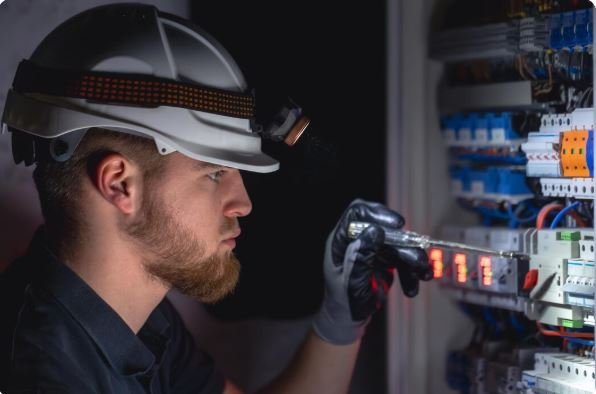
Introduction to Modern Electrical Dependence
In today’s rapidly evolving world, electricity has become the foundation of modern civilization, powering everything from basic household appliances to highly complex industrial machines. The smooth functioning of cities, businesses, communication networks, and healthcare systems all depend on reliable electrical infrastructure.
Behind this invisible yet powerful force is the work of a skilled electrician, who ensures that electrical systems are installed, maintained, and repaired safely and efficiently.
Without the expertise of a electrician, modern life would face frequent disruptions, as nearly every aspect of daily living depends on stable electrical supply. As technology continues to advance, the demand for qualified professionals in this field continues to increase, making it one of the most essential careers in today’s world.
Evolution of Electrical Systems in the Modern Era
Electrical systems have transformed significantly over the past decades. Earlier systems were simple and limited to basic lighting and power distribution, but modern systems now include smart automation, renewable energy integration, and advanced industrial controls.
A professional electrician today must understand far more than basic wiring. They must be familiar with digital systems, smart technologies, and energy-efficient solutions. From residential buildings to large-scale industrial facilities, electrical systems require careful planning and execution to ensure both performance and safety.
Education, Training, and Skill Development
Becoming a skilled professional in this field requires a strong foundation in electrical theory and practical experience. A trainee electrician begins by learning fundamental concepts such as voltage, current, resistance, and circuit design.
Hands-on training is equally important. Working under experienced professionals allows a future electrician to gain real-world experience in wiring installations, system repairs, and troubleshooting electrical faults. Over time, this combination of theory and practice builds confidence and technical accuracy.
Continuous learning is also necessary because electrical systems and technologies are constantly evolving. A successful electrician must stay updated with modern tools, safety regulations, and advanced systems.
Importance of Safety in Electrical Work
Safety is one of the most critical responsibilities in this profession. Electricity can be extremely dangerous if handled incorrectly, and even a small mistake can lead to serious accidents.
A professional electrician always follows strict safety protocols, including proper insulation, grounding, circuit protection, and the use of safety equipment. Electrical codes and standards are designed to protect both workers and users, ensuring that every installation meets required safety levels.
The commitment to safety is what makes the role of a electrician highly trusted in society.
Residential Electrical Systems and Their Importance
In homes, electrical systems power lighting, appliances, heating, cooling, and entertainment devices. A qualified electrician ensures that these systems are installed correctly and function safely.
Faulty wiring or outdated systems can cause serious risks, including power failures and electrical fires. That is why homeowners rely on a electrician for installation, maintenance, and repair services.
Proper planning and execution by a electrician ensure comfort, safety, and energy efficiency in residential environments.
Commercial and Industrial Electrical Systems
In commercial buildings, electrical systems are more complex and support offices, elevators, security systems, and communication networks. An experienced electrician plays a key role in designing and maintaining these systems for uninterrupted operation.
Industrial environments are even more demanding. Heavy machinery and production systems require high-capacity electrical networks. A skilled electrician ensures that these systems operate efficiently without interruptions that could lead to financial losses.
In both commercial and industrial sectors, the expertise of a electrician is essential for smooth operations.
Impact of Technology on the Electrical Profession
Modern technology has greatly expanded the responsibilities of a electrician. Smart homes, automation systems, and renewable energy solutions like solar panels have changed how electrical work is performed.
Today, a electrician must be familiar with digital control systems, energy management technologies, and environmentally friendly power solutions. This evolution has made the profession more advanced and future-oriented.
As innovation continues, the role of a electrician will become even more important in shaping modern infrastructure.
Problem-Solving and Technical Expertise
One of the most important skills required in this field is problem-solving. Electrical faults can be complex and require careful diagnosis.
A skilled electrician uses analytical thinking to identify issues, test systems, and implement effective solutions. Whether it is a residential repair or an industrial system failure, the ability of a electrician to quickly resolve problems is highly valuable.
This technical expertise ensures that electrical systems remain reliable and efficient.
Communication and Professional Collaboration
Electrical projects often involve collaboration between engineers, architects, contractors, and clients. A professional electrician must communicate clearly to understand requirements and explain technical details.
Good communication helps ensure that projects are completed accurately and safely. It also allows a electrician to guide clients on system usage, maintenance, and safety practices.
Career Opportunities and Growth
The career opportunities for a electrician are vast and continuously expanding. Professionals in this field can work in residential services, commercial construction, industrial maintenance, or specialized sectors such as renewable energy.
Some professionals choose to work independently, while others join companies or government projects. A electrician can build a stable and rewarding career with opportunities for specialization and advancement.
The versatility of this profession makes it attractive for long-term career development.
Continuous Learning and Future Growth
Technology is constantly evolving, and so must the skills of a electrician. New tools, systems, and energy solutions require continuous training and education.
Certifications, workshops, and technical courses help a electrician stay competitive in the industry. This ongoing learning process ensures professional growth and adaptation to modern challenges.
Conclusion: The Essential Role of Electrical Professionals
Electricity is the backbone of modern society, and its safe and efficient use depends on skilled professionals. A electrician plays a vital role in ensuring that homes, businesses, and industries function smoothly.
From installation and maintenance to troubleshooting and innovation, the work of a electrician supports nearly every aspect of modern life. As technology continues to advance, the importance of this profession will only increase, making it one of the most essential careers in the modern world.